


Top 5 Delivery Platforms in Brazil (2026)
iFood, 99Food, Keeta, Rappi & Zé Delivery
Brazil’s Delivery Market Continues to Grow
Brazil is the largest delivery market in Latin America, supported by high smartphone penetration,
rapid urbanization, and growing demand for convenience services. Major cities such as São Paulo,
Rio de Janeiro, Belo Horizonte, Brasília, and Curitiba generate millions of delivery orders every month.
As competition intensifies among delivery platforms, operational efficiency has become increasingly important.
For delivery fleets, reducing fuel and maintenance expenses can have a significant impact on profitability,
which is one reason electric motorcycles and cargo tricycles are attracting growing attention across the industry.
Below are five of the most influential delivery platforms actively operating in Brazil in 2026.
Top 5 Delivery Platforms in Brazil
| Rank | Platform | Founded / Launch | Main Coverage |
|---|---|---|---|
| 1 | iFood | 2011 | Nationwide |
| 2 | 99Food (DiDi) | 2025 Relaunch | Major Cities, Expanding Rapidly |
| 3 | Keeta (Meituan) | 2025 Brazil Launch | São Paulo Metro Area, Expanding |
| 4 | Rappi | 2015 | Major Urban Centers |
| 5 | Zé Delivery | 2015 | Nationwide Beverage Delivery |
1. iFood – Brazil’s Market Leader
iFood remains the dominant delivery platform in Brazil and operates in more than 1,500 cities nationwide.
The company works with hundreds of thousands of restaurants, stores, and delivery partners,
making it the largest player in the country’s delivery ecosystem.
Its extensive delivery network requires efficient transportation solutions,
and the company has explored sustainability initiatives including electric mobility projects in selected cities.
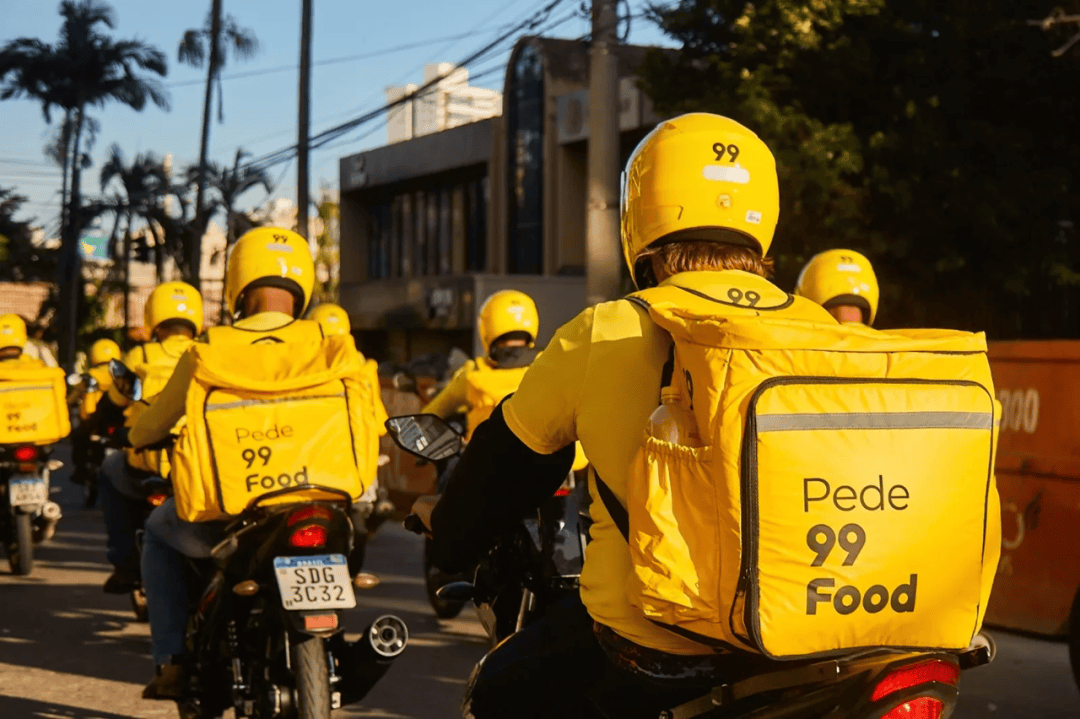
2. 99Food (DiDi) – Aggressive Expansion Strategy
Owned by Chinese mobility giant DiDi, 99Food re-entered Brazil’s food delivery market in 2025.
Leveraging the existing 99 mobility and digital payment ecosystem,
the company has been rapidly expanding into new cities and recruiting restaurant partners and couriers.
99Food has positioned itself as a strong challenger through promotional campaigns,
competitive pricing, and incentives for delivery riders.
Its continued expansion creates opportunities for fleet operators seeking cost-efficient delivery vehicles.
3. Keeta (Meituan) – A New Competitor with Global Experience
Keeta is the international delivery brand of Meituan,
one of the world’s largest delivery technology companies.
The platform entered Brazil through the São Paulo metropolitan region and has announced long-term plans for expansion.
Drawing on extensive experience in delivery logistics and route optimization,
Keeta is expected to introduce advanced operational practices to the Brazilian market.
As delivery volumes grow, efficient fleet management and vehicle operating costs will remain critical factors.

4. Rappi – The Latin American Super App
Rappi maintains a strong presence across major Brazilian cities while leveraging its broader Latin American network.
The platform offers food delivery, grocery delivery, pharmacy services, and other on-demand offerings.
Rappi relies heavily on independent couriers using motorcycles and bicycles,
making vehicle operating costs a major consideration for delivery partners.
For riders covering long daily distances, lower operating expenses can significantly improve earnings.

5. Zé Delivery – Brazil’s Beverage Delivery Specialist
Owned by beverage giant Ambev, Zé Delivery focuses primarily on beer, beverages,
and convenience-store products. The platform has built a nationwide presence and handles a large volume of orders,
particularly during weekends, holidays, and major sporting events.
Because beverage deliveries often involve heavier loads than traditional restaurant meals,
cargo-oriented electric vehicles can be especially attractive for delivery operations.
Electric cargo tricycles provide stability, carrying capacity, and low operating costs,
making them well suited for beverage distribution.

The Cost Challenge Facing Delivery Fleets
For delivery operators, transportation expenses remain one of the largest operating costs.
Fuel, maintenance, and vehicle downtime directly affect profitability and rider income.
Compared with conventional gasoline-powered motorcycles,
electric motorcycles can help reduce energy and maintenance expenses,
depending on local electricity prices and vehicle usage patterns.
They also have fewer mechanical components, which can simplify routine maintenance.
As platforms continue to compete on delivery speed and service quality,
many fleet operators are exploring electric mobility as a way to improve long-term operating efficiency.
BENLG – Electric Vehicles for Delivery Applications
BENLG manufactures electric vehicles designed for commercial transportation and delivery applications.
Our products are already used in multiple international markets and are well suited for last-mile logistics operations.
- Electric Motorcycles – Built for urban delivery operations with long range,
durable construction, and optional swappable battery systems.
- Electric Motorcycles – Built for urban delivery operations with long range,

- Electric Cargo Tricycles – Ideal for grocery, beverage,
catering, and high-volume delivery applications requiring larger cargo capacity.
- Electric Cargo Tricycles – Ideal for grocery, beverage,

Why Fleet Operators Work with BENLG
- OEM and private-label manufacturing
- Bulk order support
- CKD solutions for local assembly projects
- Spare parts packages and technical support
- Customized vehicle configurations for delivery operations
Ready to Electrify Your Delivery Fleet in Brazil?
Whether you operate a delivery platform, logistics company,
or independent delivery fleet, BENLG can help you evaluate electric mobility solutions tailored to your business.
Contact our team today to discuss vehicle specifications,
fleet requirements, and potential operating cost savings.
BENLG – Electric Mobility for Smarter Delivery Operations.

Li Yan
Author
Sales Management
BENLG Electric Vehicle Sales Team
Li Yan is the author of this guide. With over a decade of experience in the electric two-wheeler industry, she brings deep knowledge of both product engineering and market dynamics across Africa, Southeast Asia, Latin America, and the Middle East. As a sales management professional at BENLG, she helps B2B partners—from importers and distributors to fleet operators—find the right electric vehicle solutions for their specific markets.


