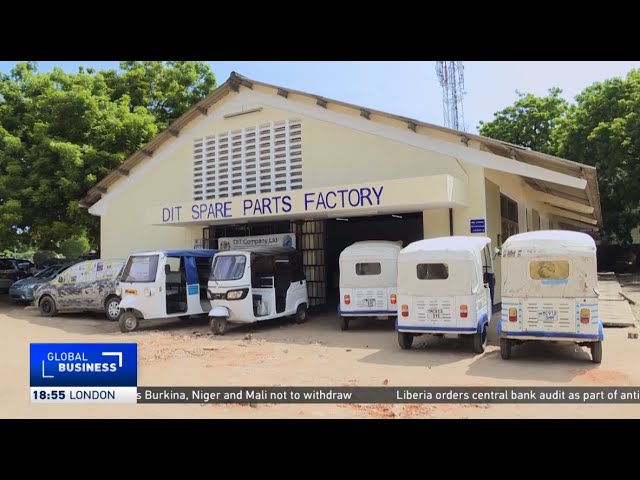
The booming and future prospects of the electric three-wheeler market
In today’s rapidly accelerating globalization process,electric three-wheelers, as an emerging mode of transportation, are gaining increasing attention and recognition in overseas markets, particularly in Africa, due to their cost-effectiveness and adaptability.
Because of their economical and practical features, electric three-wheelers have become one of the most promising transportation solutions in Africa, addressing the “last mile” transportation challenges in many regions. This article will delve into the background of the rise of electric three-wheelers in the African market, the current market situation, competitive landscape, and future challenges and opportunities.
Urgent demand in the African market
Sub-Saharan Africa has a population of over 600 million, most of whom live in rural areas with relatively weak transportation infrastructure. Most roads are dirt or gravel paths, making transport very inconvenient and often lacking regular and reliable means of transportation.
According to statistical data, the walking distance from agricultural fields to major markets in these regions typically exceeds six hours, and the accessibility of transportation in rural areas is among the lowest in developing countries, leading to freight costs that are 2-3 times higher than in developed regions.
Lagging transportation infrastructure
The inadequacy of transportation infrastructure limits productivity and severely impacts the quality of life for local residents. Many women are burdened with 60% of agricultural work, spending enormous amounts of time and energy each year on water collection and medical visits.
For instance, getting to the nearest clinic can take several hours, and the journey to school for children is similarly long. Against this backdrop, the emergence of cost-effective and highly adaptable electric three-wheelers undoubtedly brings new hope to the African market.
Efficient transportation of agricultural products
The application of electric three-wheelers in the agricultural sector can significantly enhance farmers’ transportation efficiency. They can reliably carry more agricultural products and are more efficient than traditional human or animal-powered transport, reducing losses during transit. This advantage not only saves transportation time but also brings substantial economic benefits to farmers, thereby promoting the development of rural economies.
Advantages of electric three-wheelers
High cost-performance ratio
The prices of electric three-wheelers generally range from $1,000 to $3,000, which is 30%-50% lower than that of other motor vehicles (know more about cheap electric three-wheelers). This price advantage enables economically weaker residents in rural areas to afford them.
At the same time, the low maintenance costs of electric three-wheelers, along with the energy-saving characteristics of electric drives during use, significantly reduce the cost of energy consumption per kilometer, providing users with sustainable economic guarantees. For example, in Kenya, the cost of energy consumption per kilometer for electric three-wheelers is only $0.05, whereas for fuel motorcycles, it is $0.30.
Strong adaptability
Electric three-wheelers, with their robust build and good maneuverability, can effectively cope with the complex road conditions in Africa. In some rural areas with rugged and uneven roads, traditional means of transport may struggle, whereas electric three-wheelers can navigate easily. This performance enables them not only to transport agricultural products but also to meet the daily travel needs of people, greatly improving the quality of life for local residents.
Market recognition and acceptance
Electric three-wheelers are favored in the African market not only for their price and performance but also for their versatility (capable of carrying both passengers and goods, such as the electric cargo tricycles), which enables them to perform excellently in various scenarios. An increasing number of African consumers recognize electric three-wheelers as an ideal choice for meeting daily transportation needs.
Current development of the electric three-wheeler market
Establishment of sales networks
As the demand for electric three-wheelers grows, Chinese manufacturers are gradually expanding their sales networks in Africa. Electric three-wheelers have established sales and service networks in major cities of countries such as Egypt, South Africa, and Nigeria. For instance, in Egypt, sales points cover major cities like Cairo and Alexandria, with a market share of 20%; in South Africa, sales in Johannesburg and Cape Town are growing at over 15% per year.
Creation of employment opportunities
The popularity of electric three-wheelers, especially in freight and commercial transport sectors, has created numerous job opportunities locally. For example, in Nigeria, over 500,000 people are engaged in three-wheeler transport businesses, generating over $100 million in economic revenue annually. These new forms of employment will help more African people achieve self-employment and improve their living standards.
Competition and challenges in the market
Although electric three-wheelers have shown good market performance in Africa, their development is not without challenges in the face of intense international competition and constantly changing market conditions.
Regulatory challenges
The policies and regulations regarding vehicles vary significantly among African countries. Some countries have high requirements for vehicle emission standards, forcing Chinese companies to invest considerable funds and technology to meet local standards. This undoubtedly increases market entry difficulties.
Intensified competition
In addition to Chinese three-wheeler manufacturers, three-wheeler manufacturers from other countries, such as India, are also increasing their penetration into the African market, intensifying market competition. These brands challenge the electric three-wheeler brands through low pricing strategies and technological improvements. Currently, Indian three-wheelers hold about 15% of the market share in Africa.
Market risks and uncertainties
Increased uncertainty in international markets, especially due to recent trade protection policies initiated by some countries, may impact the sales of electric three-wheelers in overseas markets. Additionally, some markets still need further verification regarding the applicability and reliability of electric three-wheelers.
Future outlook
With the global increase in attention to environmental protection and sustainable development, the electric three-wheeler market is expected to encounter broader development prospects.
Market expectations and growth rate
According to data from Zhiyan Consulting, the global sales of the electric three-wheeler market reached 61.86 billion yuan in 2023, and it is projected to reach 149.89 billion yuan by 2030. The Asia-Pacific region is the largest market, and with the development of emerging markets like Africa, the demand for electric three-wheelers will continue to grow.
Joint promotion by governments and enterprises
Cooperative mechanisms such as the China-Africa Cooperation Forum provide good policy support for Chinese enterprises entering the African market. By collaborating with local African companies to establish localized production bases, market response speed can be increased, production costs reduced, and better meet local consumer needs.
Technological innovation leading development
Furthermore, future technological innovation in electric three-wheelers will be a crucial factor determining market competitiveness. Innovations including battery life technology, the improvement of charging facilities, and the introduction of smart features will all promote the further development of electric three-wheelers and enhance their competitive position in international markets.
Conclusion
The rise of electric three-wheelers offers a new approach to solving transportation difficulties in Africa, and their high cost-performance ratio and practicality have gained widespread recognition in local markets.
As market competition intensifies and consumer demands diversify, companies need to continuously innovate technologies and upgrade services to address challenges, seize opportunities, and promote the sustained development of electric three-wheelers in Africa and other international markets. In the coming years, the electric three-wheeler market will continue to evolve, becoming a key force in connecting urban and rural areas and promoting economic development.
Who are we
BENLG is a manufacturer specializing in electric motorcycles and electric mobility, committed to providing environmentally friendly and energy-saving travel solutions. Products include a variety of high-performance, comfortable and safe electric bicycles, electric bicycles, electric motorcycles, and electric tricycle .
BENLG’s electric motorcycles focus on performance, comfort and safety, with fast charging, long battery life and smart technology, suitable for urban commuting and short trips.
Why choose us? Environmental pioneer; excellent battery life; smart technology; ultimate comfort and stylish design… these are our characteristics. Choosing BENLG not only means choosing a high-quality electric motorcycle, but also supporting and advocating for future travel methods. Visit our official website now to learn more about BENLG electric motorcycles and start your green riding journey!
To enjoy a comfortable cross-country mountain trip, electric mountain bike will be a good choice. This article tells about what to pay attention to and top 10 mountain bike manufacturers in the world when choosing mountain bikes.
Electric tricycles with convenience, environmental protection and other advantages gradually into thousands of households, and electric tricycles manufacturers also rose. This article will introduce the top 10 electric tricycle manufacturers in China.
In recent years, many traditional manufacturers have begun to focusing on electric motorcycle products. This article is about the operating status and sales data of the top 10 electric motorcycle manufacturers in China according to the market.