Electric motorcycle battery types and selection guide

With growing awareness of environmental protection and advancements in technology, electric motorcycle are gradually replacing fuel motorcycles and  become a new favorite for urban transportation. As one of the most critical components of electric motorcycles, the performance of the battery directly impacts the vehicle’s range and lifespan.

Therefore, understanding the various motorcycle battery types and their characteristics is crucial when replacing or purchasing an electric motorcycle battery. This article will explore several common electric motorcycle battery types on the market, their lifespan, purchasing considerations, and more to help users make informed choices.

sddefault
YouTube_play_button_icon

Initial understanding of electric motorcycle battery types

Currently, there are three main types of electric motorcycle batteries on the market: lead-acid batteries, lithium batteries, and the emerging sodium batteries. Among these, lead-acid batteries can be further subdivided based on materials into standard lead-acid batteries, graphene batteries, carbon crystal batteries, etc.; lithium batteries predominantly include ternary lithium batteries and lithium iron phosphate batteries.

Given that other types of batteries are less commonly applied, this article will focus on the three most common motorcycle battery types: graphene batteries, lithium iron phosphate batteries, and sodium batteries.

1. Lead-Acid batteries

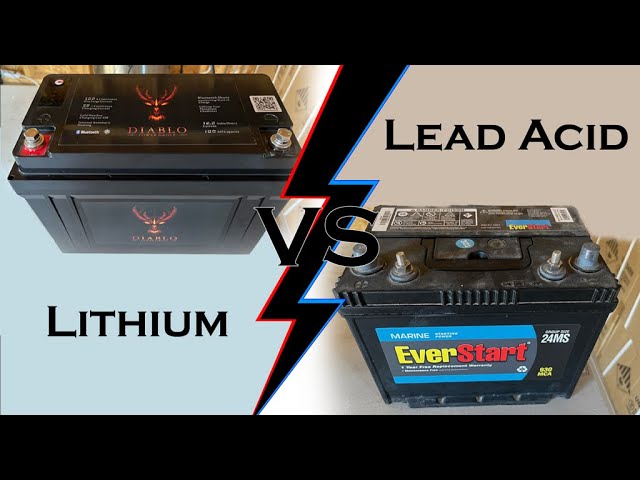
Three common types of motorcycle batteries lead acid battery

Lead-acid batteries are a mature and widely used motorcycle battery types, primarily composed of lead and its oxides, with an electrolyte of sulfuric acid solution. The pros and cons of this battery type are as follows:

Advantages:

  • Low Cost: The manufacturing cost of lead-acid batteries is low, making them suitable for budget-conscious users.
  • Relatively High Safety: Since the electrolyte is mainly water, they have good fire resistance.
  • Good Recyclability: Lead-acid batteries can be reused through well-established recycling methods, making them environmentally friendly.

Disadvantages:

  • Limited Range: Generally, lead-acid batteries offer a range of about 40 kilometers, far inferior to lithium batteries.
  • Heavy Weight: Due to the high density of lead, lead-acid batteries are typically heavy, affecting the motorcycle’s handling and energy efficiency.

2. Lithium batteries

Three common motorcycle battery types lithium battery

Lithium batteries are the most widely used motorcycle battery types, mainly divided into lithium iron phosphate batteries and ternary lithium batteries. Due to their lightweight, high energy density, and longer lifespan, Tycorun lithium batteries have gradually become the preferred choice for many electric motorcycles.

Advantages:

  • Lightweight with High Energy Density: The energy density of lithium batteries is significantly higher than that of lead-acid batteries, with a range typically over 50 kilometers.
  • Long Charge/Discharge Cycle: Generally, they can achieve 700-1000 cycles, with a lifespan of about 4 years.
  • Fast Charging Support: They can be charged quickly, improving the user experience.

Disadvantages:

  • Safety Hazards: Lithium batteries can pose fire risks if overcharged or short-circuited, requiring careful use.
  • Higher Cost: Although they are more economical over the long term, the initial purchase cost is significantly higher than that of lead-acid batteries.

3. Sodium batteries

Sodium battery One of the 3 common motorcycle battery types

Sodium batteries represent an emerging battery technology. While their current application in electric motorcycles is limited, their impressive performance offers promising potential.

Advantages:

  • Ultra-Long Lifespan: Charge/discharge cycles can reach up to 1500 times, with a theoretical lifespan exceeding 10 years.
  • Excellent Low-Temperature Performance: They maintain good efficiency in low-temperature environments.
  • Quick Charging: Can charge to 80% within a short time, enhancing user convenience.

Disadvantages:

  • Slightly Lower Energy Density: Compared to lithium batteries, sodium batteries have a slightly lower energy density.
  • Limited Market Application: The popularity of sodium batteries is still growing, and the related technology is awaiting maturity.
 

Graphene batteries

Performance characteristics

Pros and cons of graphene batteries

  • Extended Lifespan: Compared to traditional lead-acid batteries, graphene batteries use special materials to enhance electrode activity, increasing charge/discharge cycles from 300-400 times to about 600-800 times, with a theoretical life of 3-4 years.
  • Increased Energy Density: The energy density of graphene batteries has improved, allowing more charge to be stored in the same volume. For example, a 20Ah graphene battery achieves a performance equivalent to a 23Ah traditional lead-acid battery.
  • Fast Charging Support: Faster charging speeds reduce wait times.
  • Good Cold Resistance: Performs better in low-temperature environments, with minimal impact during winter use.

Usage Considerations

Although graphene batteries have many advantages compared to ordinary lead-acid batteries, the following points should be considered during daily use to extend their lifespan:

  • Avoid charging every day; charge only when the battery level drops below 30%.
  • Control the charging time; it’s generally recommended to charge for an additional hour after reaching full capacity.
  • Even if not used for an extended period, the battery should be regularly charged to prevent excessive discharge, which can lead to damage.

Lithium iron phosphate batteries

Performance characteristics

Lithium iron phosphate batteries have high energy density

  • Long Lifespan: Lithium iron phosphate batteries boast around 1000-1200 charge/discharge cycles, typically maintaining 5-6 years under normal use.
  • Lightweight Design: They are relatively lightweight and compact, helping to reduce the overall weight of the vehicle, particularly suitable for users seeking high performance and portability.
  • High Energy Density: They have a large energy storage capacity per unit weight, meaning they can provide a greater driving distance in the same volume.
  • Fast Charging Capability: Can achieve a full charge in as little as three hours.

Safety precautions

While lithium iron phosphate batteries have many advantages, their safety and stability require extra caution:
  • Always use a compatible professional electic motorcycle charger; otherwise, it may lead to fire incidents.
  • Avoid prolonged overcharging or exposure to excessive temperatures to prevent hazards.
  • Drive more slowly on complex road conditions, as severe bumps may damage the battery or even ignite it.

Sodium batteries

Performance characteristics

Sodium batteries have excellent overall performance

  • Ultra-Long Lifespan: As a representative of emerging technology, sodium batteries offer theoretical charge/discharge cycles of over 1500 times, ensuring operation for over ten years even with bi-daily charging.
  • Good Cold Resistance: They maintain over 95% discharge efficiency even under extreme cold conditions of -20 degrees Celsius.
  • Rapid Replenishment: Can recover over 80% of the charge in just 15 minutes, greatly enhancing user convenience.

Application prospects

Although there are not yet many electric motorcycles using sodium batteries as power sources, their outstanding overall performance suggests they may become a mainstream choice in the future.

Summary and comparison

Lead acid battery vs lithium iron phosphate vs sodium battery

In summary, based on different application scenarios and personal preferences, we can draw the following conclusions:

  • Lead-acid batteries for short commutes: These motorcycle battery types are cost-effective and easy to maintain, making them ideal for urban residents primarily using them for commuting.
  • Lithium batteries for long-distance travel: For riders frequently covering long distances, lightweight, durable, and high-range lithium motorcycle batteries are undoubtedly the best partners.
  • Graphene batteries for a balance of both: If you desire long-range without sacrificing safety, graphene batteries, which strike a balance between the two motorcycle battery types, are a good choice.
 

Electric motorcycle battery types comparison

Item Graphene battery Lithium iron phosphate battery Sodium battery
Weight Heavier Light Light
Safety High Moderate High
Range Medium High Medium
Lifespan 3-4 years 5-6 years >10 years
Price Moderate High Moderate

Considerations before purchasing a motorcycle battery

Note these points when buying batteries

When purchasing an electric motorcycle battery, consumers should pay attention to the following aspects to ensure the selected battery is both safe and effective:

  • Choose reputable purchase channels

Ensure to buy batteries from reputable manufacturers or authorized dealers to avoid illegal modifications or counterfeit batteries. These low-priced products often pose safety risks, impacting the entire electrical system of the electric vehicle, and may even cause fires or explosions.

  • Check for complete product labels

When purchasing a battery, ensure that its product labels are complete, including manufacturer name, product specifications and model, manufacturing date, trademark, and certification. Counterfeit products often have incomplete labels, so consumers should be vigilant.

  • Examine the battery’s appearance

When purchasing, carefully inspect the battery’s appearance for signs of deformation, cracks, wear, or leakage. The battery terminals should be clean and free from corrosion, with clear markings. A new battery should have a clean surface without excess debris, while a refurbished battery often has an uneven surface.

Conclusion

In conclusion, choosing the appropriate motorcycle battery types is crucial for ensuring a satisfying riding experience. We hope that after gaining a comprehensive understanding of various battery characteristics, users can make the most suitable choice based on their actual needs.

Who are we?

BENLG is a manufacturer specializing in electric motorcycles and electric transportation, which is committed to providing environmentally friendly and energy-saving travel solutions. The company’s products include a wide range of electric bicycles, electric motorcycles, and electric tricycle designed for performance, comfort, and safety. Designed with a focus on performance, comfort, and safety, BENLG’s electric motorcycles typically feature fast charging, long range, and smart technology, making them suitable for urban commuting and short trips.

Why choose us? Environmental pioneer; excellent battery life; intelligent technology; ultimate comfort and stylish design…these are all our features. Choosing BENLG not only means choosing a high-quality electric motorcycle, but also a kind of undertaking and advocating for the future way of traveling. Visit our official website now to discover more about BENLG electric motorcycles and start your eco-friendly riding journey!

Related posts
Best top 10 mountain bike manufacturers in the world

To enjoy a comfortable cross-country mountain trip, electric mountain bike will be a good choice. This article tells about what to pay attention to and top 10 mountain bike manufacturers in the world when choosing mountain bikes.
Top 10 electric tricycle manufacturers in China
Top 10 electric tricycle manufacturers in China (2026)

Electric tricycles with convenience, environmental protection and other advantages gradually into thousands of households, and electric tricycles manufacturers also rose. This article will introduce the top 10 electric tricycle manufacturers in China.

Top 10 electric motorcycle manufacturers in China

In recent years, many traditional manufacturers have begun to focusing on electric motorcycle products. This article is about the operating status and sales data of the top 10 electric motorcycle manufacturers in China according to the market.

Scroll to Top